He said, “Faced with this situation, it is safe to declare that our community is in a state of emergency.”
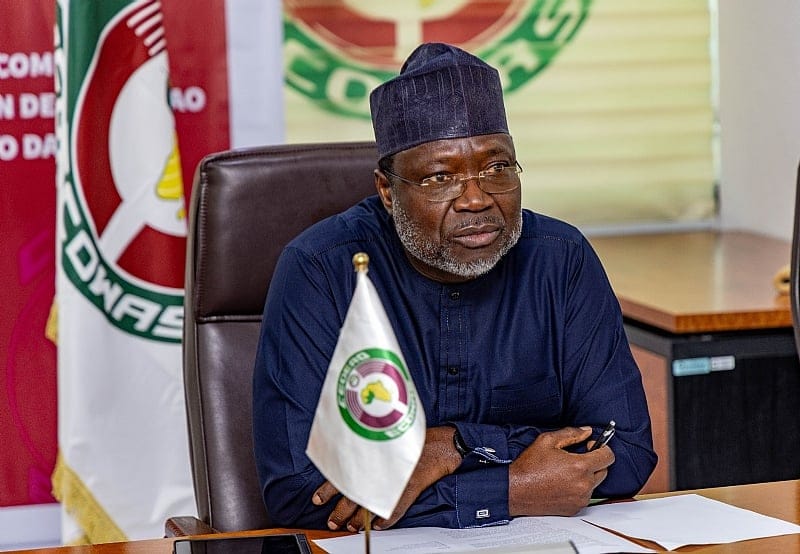
The President of the Economic Community of West African States (ECOWAS), Omar Touray, says the region is in a state of emergency.
According to a statement issued by ECOWAS on Tuesday, Mr Touray said this during the 55th session of the ECOWAS mediation and security council, at the ministerial level in Abuja.
The meeting was held amid a series of political and diplomatic crises ongoing in parts of the region.
According to Mr Touray, a country-by-country analysis shows that countries in the region are at risk of military intervention, terrorist expansion, and increasing geopolitical pressure at different scales.
He stressed that elections have become a major trigger of instability in the region, and that countries are at risk of growing “erosion of electoral inclusivity.”
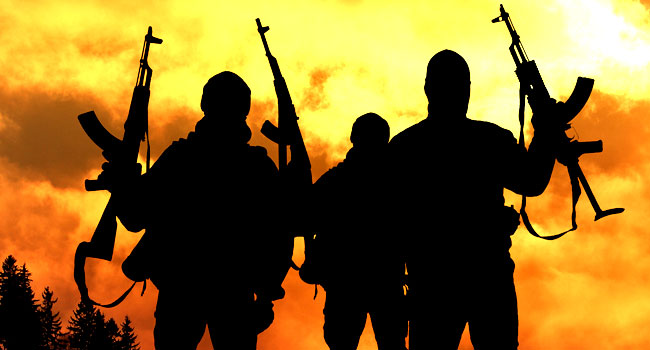
“Expanding influence of Terrorists and Armed Groups and criminal networks threatening regional stability. Increasing geopolitical pressures affecting Member States’ diplomacy and cohesion.”
This, he said, requires the body to take immediate and concerted action.
He said, “Faced with this situation, it is safe to declare that our community is in a state of
emergency.”
To address this, Mr Touray recommended that the regional bloc hold more frequent mediation sessions, “beyond the two ordinary sessions for the next one year.”
“We must confront these threats with the attention they deserve. We must pool our resources to confront the threats of terrorism and banditry, which operate without respect for territorial boundaries,” he stated.
In the past three weeks, two West African countries have experienced military coups, adding to at least seven previous takeovers recorded in the region in recent years.
PREMIUM TIMES reported that the recent coup in Guinea-Bissau occurred days before the announcement of the presidential election result.
The military removed President Umaro Embalo from power and swore in a military leader, Horta Inta-A, who was the army chief.
The coup drew criticism across West Africa, with several governments and regional blocs calling for a return to constitutional order.
Regional leaders also accused Mr Embaló of masterminding the coup to avoid electoral defeat.
A few days later, another coup was attempted in Benin.
Although the Beninese military foiled the coup with the support of ECOWAS, it indicates a deepening fragility in parts of the region and a growing willingness among military factions to challenge elected authorities.
Speaking on this, Mr Touray said the events in the last weeks have shown there’s a need for member States to be introspective about the “future of our democracy and the urgent need to invest in the security of our community.”
“As you would have seen in the memoranda before you, the country-by-country analyses of our member states show different risk levels across our community from high to medium, with an average of high risk for our community, thereby demanding immediate and concerted action.”